
One morning in 1905,or the 31th year of the reign of
Emperor Guangxu of Qing Dynasty, two brothers set out by
boat from their hometown Boa-ah,a mountain hamlet in Fujian
province on the southern coast of China, for the port city
of Xiamen , some sixty miles away . The boys were full of
excitement and chatter,especially the younger one. Yutang
was ten years old , and today, he was taking leave of his
hometown and going with his brother to study in Xiamen.They
were sons of Pastor Lin Zhicheng, who was born in the poor
village of Wulisha. Pastor Lin was sending his sons to free
missionary schools in Xiamen.
The Pastor was not a follower of convention, so the boys
did not wear queues.Yutang was a little guy, deeply tanned ,
with a prominent forehead, a pair of sparkling eyes, and a
narrow chin. Six miles later, when the skiff came to Xiaoxi,
the boys changed to a five-sail junk, and sailed toward
Zhangzhou on West River, and tall mountains stood behind them,
clad in grey-purplish hues.Yutang thought it inexpressibly
beautiful. After a day's journey,the junk tied up against the
bank under some bamboo trees. Yutang was told to lie down,
cover himself with a blanket and go to sleep.
But sleep was the last thing on the boy's mind.The boatman
sitting at the junk's stern was sucking at his pipe, and
between gulps of bitter tea,telling stories about the Empress
Dowager Cexi,who ruled the court today,having put the Emperor
Guangxu under house arrest for supporting the reformers at
the palace. Another junk was tied up on the opposite bank,
brightly lit by lanterns. A soft breeze wafted sounds of
merrymaking and music from a lute across the water. Oh, what
a beautiful scene!Yutang thought,I must remember this evening
well,so that the sights and sounds will always be fresh in my
mind when I recall this night , however old I might be.
At the thought of going to school in Xiamen, his heart
leapt with anticipation. He often went to watch the sunset
behind the tall mountains which completely surrounded the
hamlet. The mountain peaks were always shrouded in clouds.
How did a person get out of this deep valley, he wondered.
What was the world like outside? To the north there was a
crack in one of the peaks, left there, it was said, when a
fairy stubbed his toe on a rock. The world was so big that it
boggled his mind. Two years ago , his father told him the
first airplane had a successful test flight. "I've read
everything I could lay my hands on about the airplane," his
father said,"but I've never seen one, nd I don't know whether
I should believe it." His father also told him that the best
universities in the world were the University of Berlin in
Germany, and Oxford University in England. "You must study
hard, young man,"his father often said, sitting beside the
boy's bed at night, turning up the oil lamp and smoking his
pipe. "Study hard, so that you can go to one of those
universities. Acquire an education and become a famous man."
My father often repeated this story to me . As I sat in
his study, surrounded by bookshelves of his works,I knew that
Grandfather's words were the inspiration of his life. In his
80 years, my father wrote and translated more than 50books
and became a world-renowned author. The New York Times said
at the time of his death, "Lin Yutang had no peer as an
interpreter to Western minds of the customs , aspirations,
fears and thought of his people." Father was a novelist ,
essayist , philosopher, philologist and lexicographer.He also
invented a Chinese typewriter. "But he was more," wrote Prof.
Nelson I.Wu of Washington University in St. Louis, Missouri.
"He was a total man, stubornly going his own way through the
criticism of lesser minds to become a universal genius."
Father was born in 1895, the fifth of six sons of Lin
Zhicheng. The Presbyterian pastor, a self-taught man,
communicated to his children a passionate zest for all that
was new and modern from the West , and decided that his sons
must learn English and receive Western educations. With the
help of one of his brothers and a loan, Yutang attended
St. John' University in Shanghai. The main emphasis was on
English. Yutang also studied theology,because he wanted to be
a pastor like his father . But after extensive reading in
science, he began to have doubts about Christian dogma, and
changed his major to philosophy.
When he graduated from St. John's in 1916, Yutang accepted
a teaching post at Qinghua College in Beijing. Here, he found
himself surrounded by Chinese history, and he realized how
small the confines of his Christian education had been. He
knew that Joshua's trumpet blew down the walls of Jericho,but
did not know the folktale of Meng Jiangnu,whose tears for her
lost husband at the Great Wall caused a section of the wall
to collapse and expose his dead body.Determined to make up
for his inadequacy, Eating haunted bookstores, asking
shopkeepers what were the most important books to read ,
because he was too ashamed to ask others.
When he was not reading , Eating tried to devise a better
method for looking up characters in a Chinese dictionary than
the prevailing Kanji Method,the bane of scholars and students
alike . At the age of 23, he published "An Index System for
Chinese Characters " for which CIA Yuanpei , chancellor of
National University of Peking (Bead) , wrote a preface . The
work attracted the attention of scholars and was a catalyst
for change. but Eating was already dissatisfied with his
method , and he continued throughout his life to work on
improvements.These were finally incorporated in his monumental
Chinese-English dictionary published when he was 77 years old.
Yutang taught at Qinghua for three years, then qualified to
study in America. He received a half-scholarship to major in
modern languages at Harvard Graduate School of Arts&Sciences.
In 1919, he married Liao Cuifeng from Xiamen, and took his
bride with him to Cambridge, Massachusetts. At the end of the
year, his stipend stopped coming, and he had not enough money
to get his Master's degree at Harvard.
World War I was now over. China had sent some 150,000
laborers to France , and Yutang accepted a job at the American YMCA to teach
the laborers to read and
write. The couple moved to LeCreusot, a small town in France.
When they had saved some money, Yutang had taught himself
German, and they went to the University of Jena in Germany
because the living standard there was lower. Yutang took
courses and transferred credit to receive his Master's from
Harvard. To the dean of Harvard Graduate School he wrote in
1920, "I do not wish to plead for any special leniency in
giving me the degree. Nor am I going to be intellectually
arrested myself after I should get the degree. It is for the
reason of great practical utility that I wish to have this
certificate. I believe that the Harvard degree will make my
progress through the German University much quicker and
easier." In 1923, he received his Ph.D. in Philology from
Leipzig University, and returned to China.
The country was in turmoil. Politically, China was in the
grip of feudal warlords who fought one another incessantly.
Yutang, a professor in the English Department of Beida, wrote
articles and criticized the corrupt and ineffective
government.The feuding warlords fought on.Duan Qirui ordered
the arrest of some 50 professors and newspapermen who
criticized the government. Yutang's name was on the list.
Two editors who were arrested were shot in the same night.
By now my parents had two daughters , my older sister and
myself. We left for Xiamen,where Father joined the faculty of
Xiamen University as dean of the College of Arts and Letters.
But, University politics made it impossible for him to stay
on , and a year later, he joined the Ministry of Foreign
Affairs in the Wuhan Government, because he admired Foreign
Minister Chen Yuren, whom he had known in Beijing. When the
Wuhan Government was toppled in 1927, Father quit his job ,
and we moved to Shanghai.
Here, he began to write the enormously successful Kaiming
English Books, a series that was adopted as textbooks for
middle schools. With his founding of the Analects bi-monthly
in 1932 in Shanghai, Father made his reputation in China. The
magazine specialized in humor and satire ,but it was Father's
contributions that most captured the readers. Poking fun at
government officials, he once said , "Although you are an
offical, you still look like a man."
Father's lacerating wit earned him the reputation of
enfant terrible and the accolade "Master of Humor". In 1934
and 1935, he started two more magazines, This Human World and
The Cosmic Wind . Also at this time , Father was writing an
English column called "The Little Critic" which appeared in
China Critic magazine,as well as editing a Chinese dictionary
in the style of the Concise Oxford Dictionary. At the same
time , he was translating English works into Chinese, such as
the biography of Henrik Ibsen and George Bernard Shaw's
Pygmalion. And he was translating Chinese into English, the
most notable work of which was Qing dynasty author Shen Fu's
Six Chapters of a Floating Life, which was published in
bilingual form in Shanghai in 1935.The author wrote about the
idyllic life he led with his wife Yun, whom Father described
in a preface as "one of the loveliest of women in Chinese
literature." The story and the translation received wide
attention.
Father's "Little Critic" essays caught the attention of
Pearl S.Buck , who was living in china , and whose novel The
Good Earth had won the Pulitzer Prize.One evening the two
writers met. They had been speaking of foreign writers in
China , when Father suddenly said, "I should like to write a
book telling exactly what I feel about China."
" You are the one to so it , " Mrs . Buck replied
enthusiastically.
Father finished the book in 1935, and it was called My
Country and My People... In the book , Father surveyed the
mental and moral constitution and ideals of the Chinese
people , as well as society,literature and the art of living.
"China is too big a country , and her national life has too
many facets for her not to be open to the most diverse
interpretations, " he wrote. "I can lay bare her troubles
because I have not lost hope."
The politically motivated writers lost no time in tearing
the book apart, but Father was not bothered. "If a man must
be a writer," he said, " he should have some courage and
speak his mind." He had nothing but contempt for literary
prostitutes who owed their living to political bosses.
"The book burst like a shell over the Western world,"
according to the new York Times. "My Country and My People is
the clearest and most interesting dissection and synthesis of
China past and present that I have read," wrote Fanny Butcher
in the Chicago Daily Tribune. "One of the most important and
satisfactory books yet written if English on the character,
life and philosophy of the Chinese people," wrote W.L.Langer
in Foreign Affairs. "No one who wants to know either old or
new China need go beyond the covers of My Country and My
People... The whole gamut of matters Chinese is here treated
with a deftness, a frankness , an intelligence, a subtlety
seldom matched in any work," wrote T.F.Opie in Churchman.
Father was 41. Success did not change him. "I am still a
child, looking at this extraordinary world with round eyes,"
he said. "There is so much I must learn;everything arouses my
curiosity. I have only one interest, and that is to know more
about life , past and present, and to write about it . I would
not like fame if it gets in the way."
In 1936, our family, which now included three daughter,
went to America, intending to stay only a year . But when the
Sino-Japanese War broke out the next year , we had to delay
out return. Father was horrified to learn the 52 manuscript
volumes of the Chinese dictionary he was editing , which he
had not brought to the States, had been destroyed.
In New York , Father began to write The Importance of
Living , one of his most famous books and a grand synthesis
of his philosophy. I t became the best-selling book in
America in 1938, was translated into a dozen languages, and
secured for him the position of a leading interpreter of
China to the West. In comparing East and West, he found no
difference so sharp as the attitude toward old age. "I am
still continually shocked by the Western attitude," he wrote.
"I heard an old lady remark that she had several
grandchildren, 'but it was the first one that hurt.' Even
with the knowledge that Americans hate to be thought of as
old, one still doesn't quite expect to have it put that way."
On the importance of the home , he wrote, "It has seemed
to me that the final test of any civilization is,what type of
husbands and wives and fathers and mothers does it turn out .
Besides the austere simplicity of such a question,every other
achievement of civilization—art, philosophy, literature and
material living—pales into insignificance."
"Dr. Lin has performed the inestimable service of
distilling the philosophy of generations of Chinese sages and
presenting it against a modern.... background, which makes it
easily readable and understandable," said the Saturday Review
of Literature.
生活的艺术(1)
每日精选
-

-
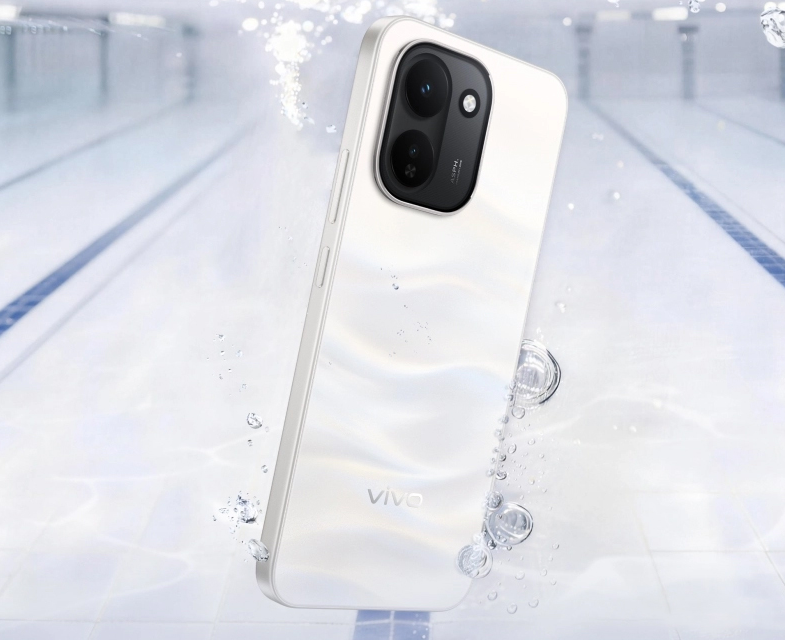
好钢用在刀刃上 618新手机看vivo Y600 Turbo
vivo Y600 Turbo十分注重实用性,将成本全都花在了感知度强的体验上。2099元的起价,也显得十分超值,堪称是618期间的实用型首选。
-
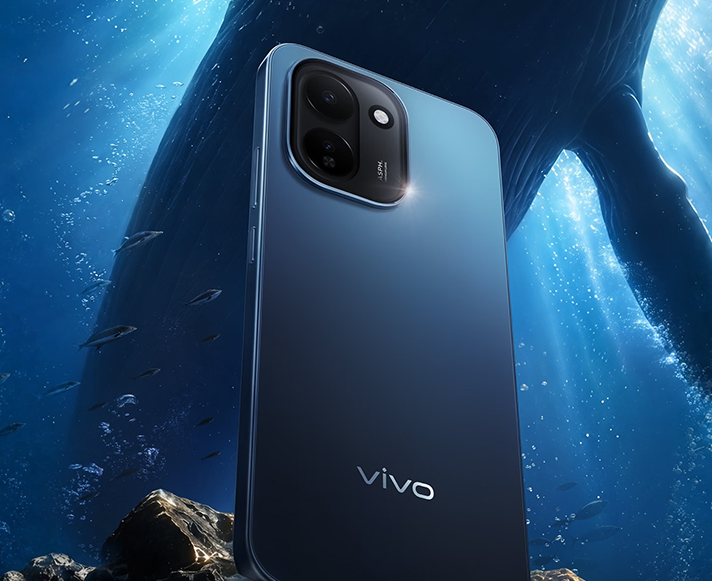
9000mAh耐用王 618实用型首选vivo Y600 Turbo
vivo推出Y系列全新实用型旗舰vivo Y600 Turbo,该机摒弃行业常见的全面堆料思路,将核心成本集中在续航、耐用性与日常流畅性三大用户感知最强的体验维度。
-
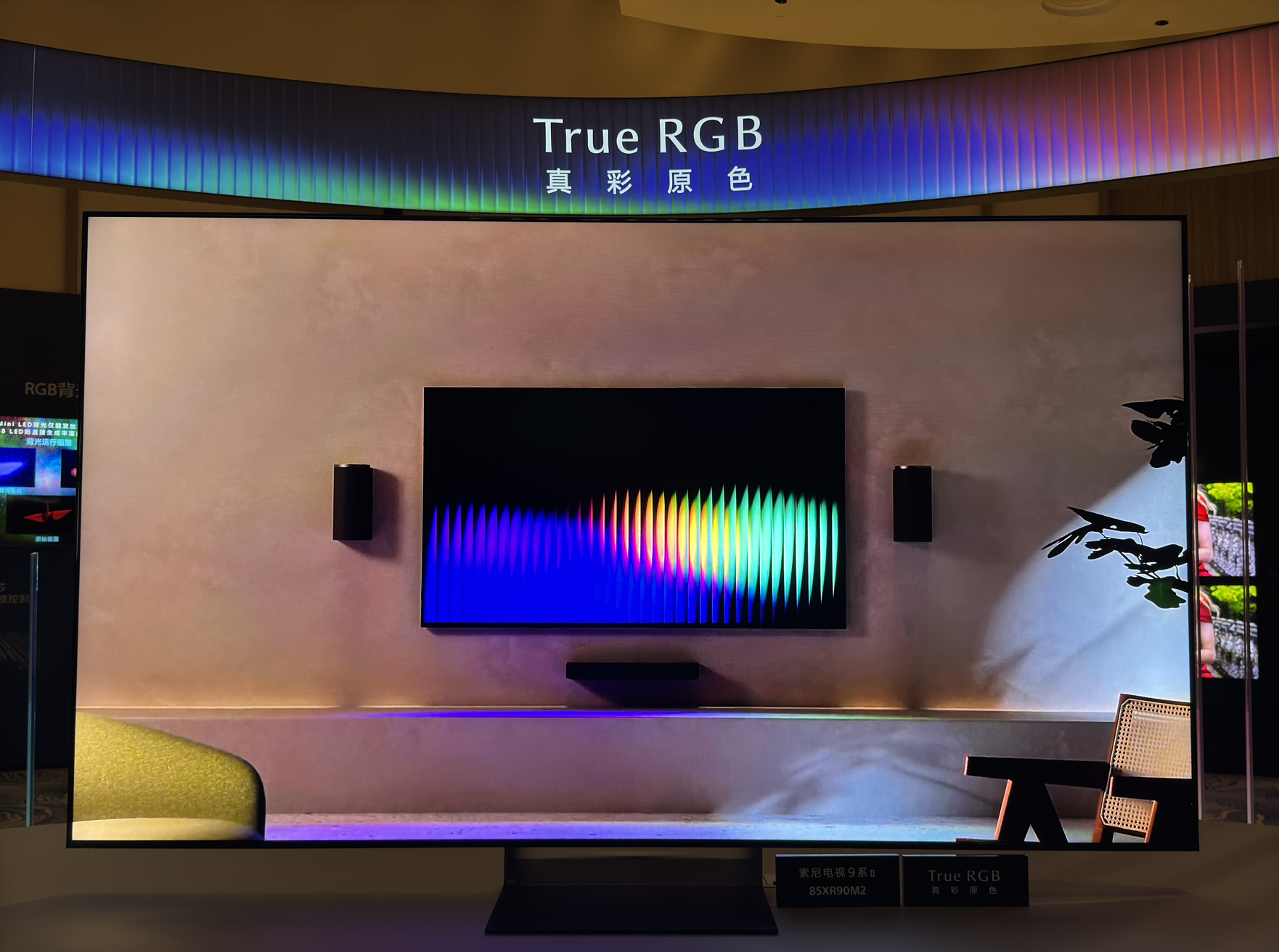
这才是旗舰该有的样子!索尼True RGB把专业监视器色彩搬回家
True RGB真彩原色技术的落地,不仅是索尼自身技术的迭代升级,更为家用大屏画质树立了全新的行业标准。它让普通用户在家中,也能轻松享受到导演在专业调色室中看到的原版影像质感。
-
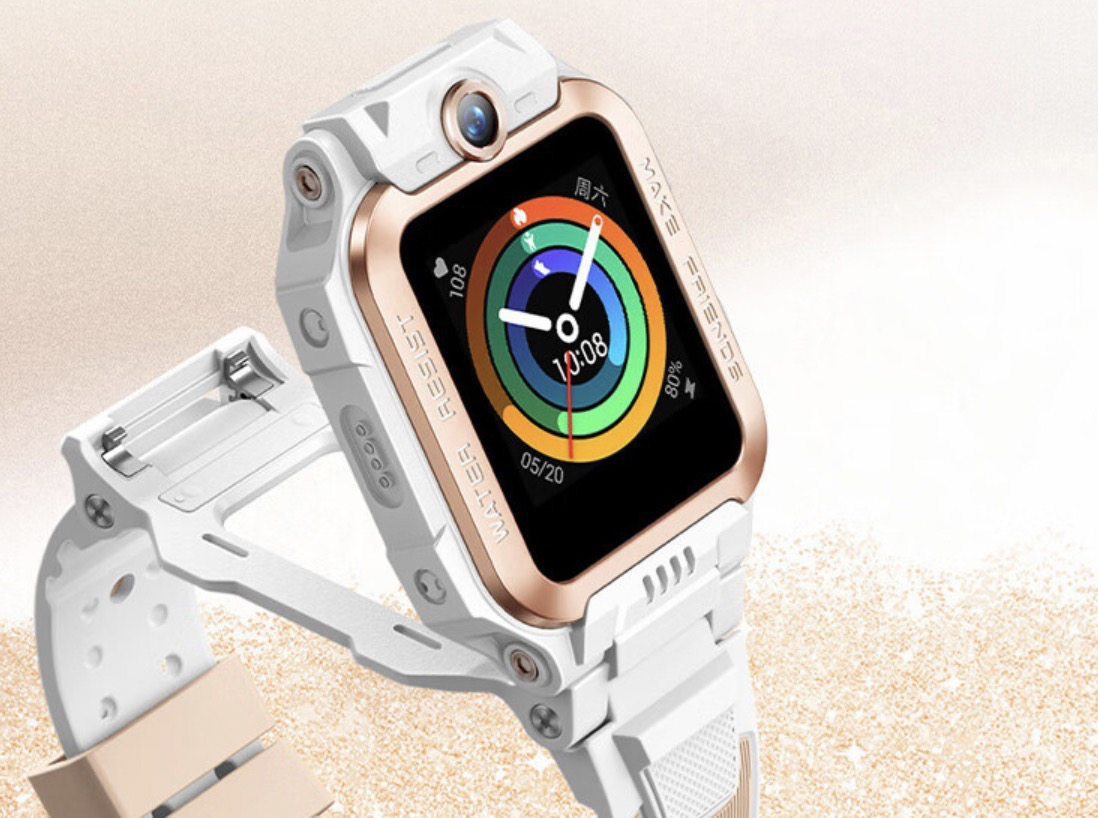
4月智能儿童手表线上零售量下降 小天才稳居行业领先地位
4月中国智能儿童手表线上市场(含天猫、京东、抖音等电商平台)零售量为61.4万台,同比下降9.5%,环比下降11.3%;零售额为3.0亿元,同比下降9.2%,环比下降9.8%。
-
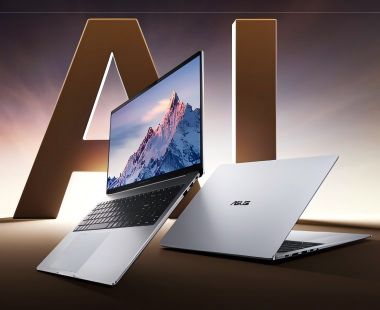
双尺寸全能商务AI本华硕破晓7 Pro开售,起售价7999元
PChome 6月6日消息,华硕破晓7 Pro商务AI笔记本已正式开售,并在今日登陆京东等主流电商平台。新机推出14英寸、16英寸两种版本,搭配不同配置共计四款机型,16英寸版本起售价7999元,定位高端商务办公市场。
-
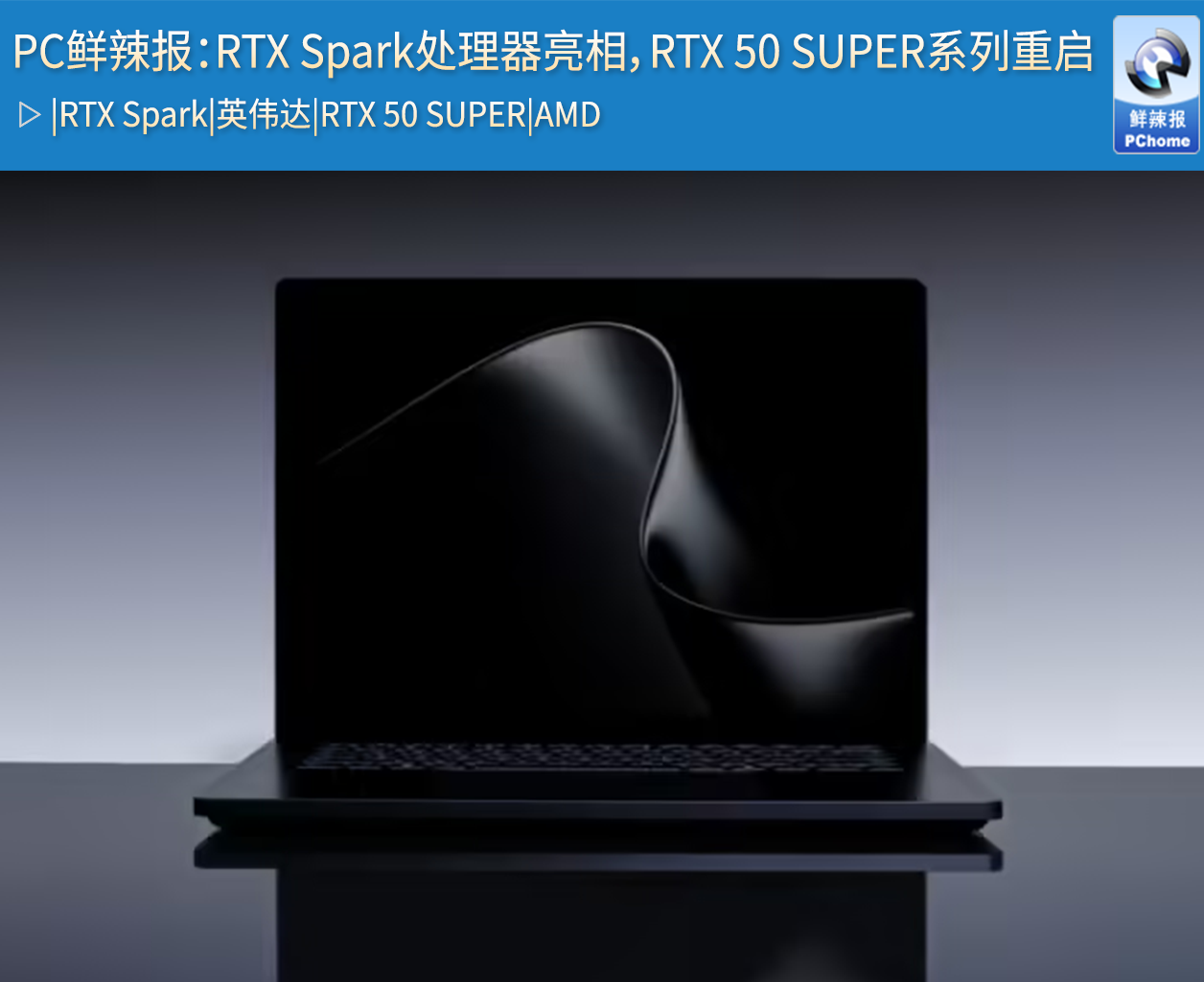
PC鲜辣报:RTX Spark处理器亮相,RTX 50 SUPER系列重启
PChome 6月8日消息,英伟达联合联发科推出全新RTX Spark ARM架构PC处理器;随后英伟达发布面向AI智能体的Vera架构高端CPU;TX 50 SUPER系列重启上市计划;Steam公布五月硬件使用报告,AMD处理器份额再创新高。
-
逻辑清晰堪称范文 卢伟冰晒小米AI创作高考作文
2026年高考正在进行之中,小米集团总裁卢伟冰就晒出了一篇由小米Mimo创作的北京卷高考作文。
-
小米MIX Fold5爆猛料:玄戒O3芯片 2亿徕卡影像
有爆料者放出小米MIX Fold5的核心信息,这款产品将在设计、芯片和影像三大维度迎来重大升级,其中首次全系搭载自研玄戒O3芯片成为最大看点。
-

苹果iPhone Fold细节曝光:高强度液态金属铰链
爆料者Sonny Dickson公布了苹果首款折叠屏手机iPhone Fold的更多细节,这款宽屏阔折叠手机在设计、屏幕、核心配置及价格等方面的关键信息首次全面曝光。
最新快讯
- 金邦摇光钻石RGB DDR5内存首发,特挑海力士颗粒2399元
- 49英寸QD-OLED超宽屏,AOC AGP497UCZD电竞显示器发布
- REDMI K100系列爆料 万级大电池标配骁龙8E5
- Q1家用清洁机器人出货893万台 扫地机市场出货同比增长29.4%
- 前行者S9 Master V2双8K电竞鼠标上市,售价299.2元
- 联想ThinkBook X 2026轻薄本开售,1.06kg 6499元起
- 《崩坏:星穹铁道》昔涟主题定制机械键盘将开启预售
- 追觅吸尘器累计出货破1500万台 轻量化新品实力出圈
- HarmonyOS 7系统新功能:五大维度全面升级
- 华为nova 16评测:不止影像的全能青年旗舰
热门文章
-
至尊狂战就是荣耀WIN游戏本 H9
-
英特尔Panther Lake揭秘
-
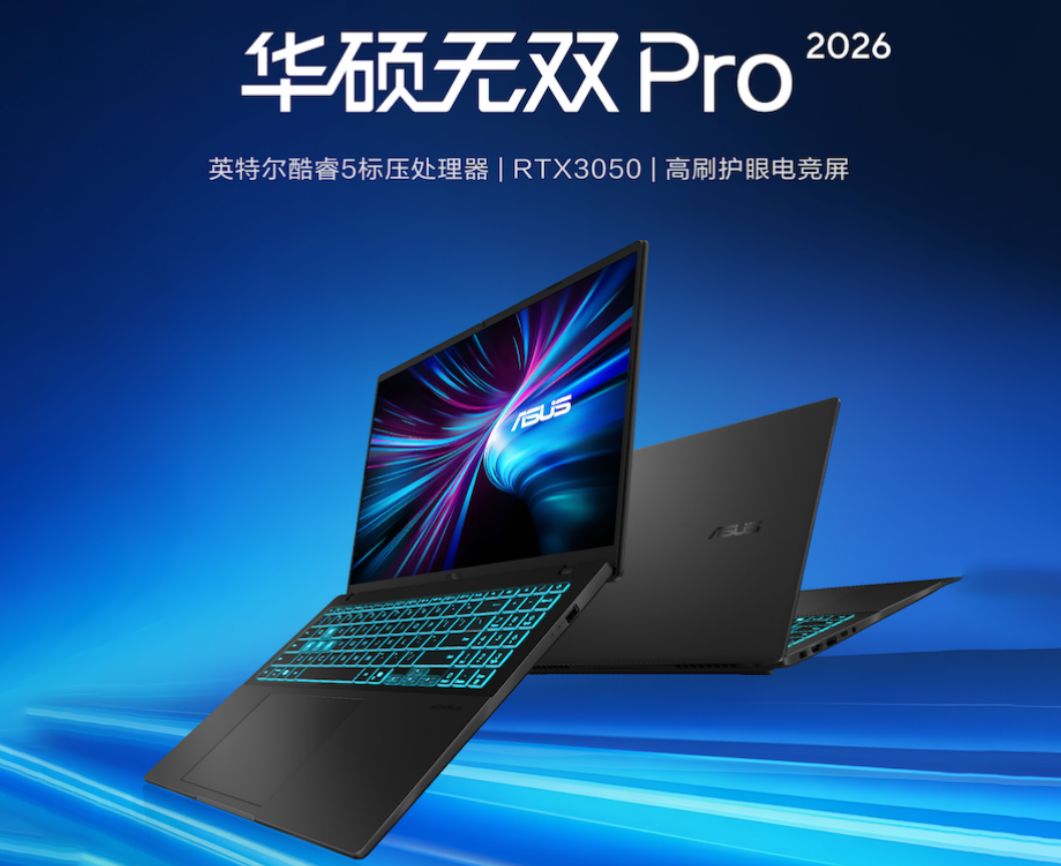
618换机优选华硕无双系列,大屏、便携、性能全都要
2026-06-12 -
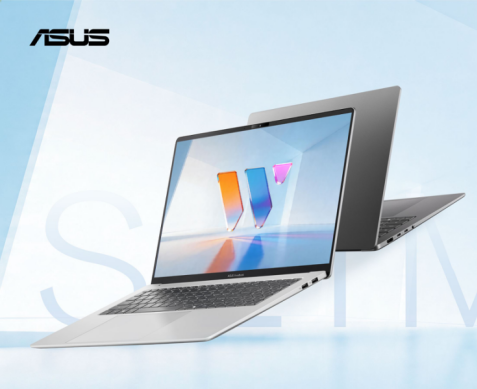
618AI轻薄本优选,华硕无畏14SE 2026学习办公两宜
2026-06-09 -
重构计算逻辑:从骁龙X2 Elite到骁龙C,高通开拓AI PC新生态
2026-06-05 -

华为618夏日新机惠来袭,全场景好物一站式选购指南
2026-06-04 -
计算连续体:从毫瓦级到千瓦级算力,高通构筑全域智能新生态
2026-06-02 -
618购机必看!华硕四款AI轻薄本全覆盖 全人群精准入手指南
2026-05-29 -

真正的旗舰回归:Alienware外星人16 Area-51游戏本评测
2026-05-18




网友评论