
Moment in Peking, published in 1940, was a novel of broad
canvas which began with the Boxer Rebellion in 1901 and ended
with the beginning of the Sino-Japanese War. Like The
Importance of Living, it became a selection of the
Book-of-the-Month Club. It "may well become the classic
background novel of modern China",said Time magazine.
Father's books were translated into Chinese and
well-received, although he was not always pleased with the
translations. "My regret is that I did not , through most of
my works, meet my readers face to face," he said toward the
end of his life, referring to the fact that most of his works'
Chinese translations were done by others.
But he was too busy creatively to translate. After the war
ended, Father embarked upon an adventure that was to wip out
all his assets and get him deeply in debt.He decided to build
a Chinese typewriter that anyone could use without previous
training. Because he had written and deited a string of
well-received books, including The Wisdom of China and India
in 1942, he felt he could afforcd this project. In fact, he
had been trying to invent a typewriter ever since he went to
Peking in the 1920s. Never mind that Chinese consisted of
tens of thousands of ideographs while English had only 26
letters of the alphabet he thought it could be done.
His solution lay in finding a better way to classify
Chinese characters than the Kangxi system. He thought he had
the problem solved back in 1931, when he tried to have a
model of his invention made in London. But he had run out of
funds and returned home with only 30 cents in his pocket.
Now, working like a man possessed, Father was up at dawn
and did not go to bed until after midnight. He drew sketches,
rearranged characters and redesigned his keyboard. In New
York's Chinatown, he found a printer who could mold the
characters.Then , he located a small engineering firm to help
him with the mechanics and a workshop to produce the parts.
Problem after problem had to beovercome, and the bills
mounted. Each of the thousand parts was made by hand . But he
had sunk so much money into the machine that he could no give
up . As their savings vanished, Mother was horrified. But she
knew her husband well . He was easygoing about many things,
but obstinated about some things ,and inventing a typewriter
was one of them.
Fortunately, Father had a friend in antique dealer Loo
Chin-tsai, who loaned him tens of thousands of dollars to
finish the model. Finally, in May 1947 , we brought his
invention home. It was called the Mingkwai("clear and quick")
Typewriter. The machine had 72 keys . To type a character,
one pressed the keys corresponding to the top and bottom
parts of a character, and those with similar tops and bottoms
appeared on a screen in the center of the machine . The
typist then pressed one of eight printing keys according to
the position of the correct character on the screen. At a
time when computers had not yet become popular, his invention
of a scanning screen was remarkable . The typefaces were
molded around six hexagonal rollers.No larger than a standard
typewriter, the Ming kwai typed 7000 whole characters and by
combinations a theoretical total of 90,000.
The typewriter was presented at a press conference held at
home , and received great write-ups in the press. Dr. George
A.Kennedy, director , Institue of Far East Languages, Yale
University, said that "the finding system is the most
efficient yet devised , and it may well be extended to
dictionaries and other reference works."
Lee Tuh-Yueh, manager of the Bank of China in New York,
said, "I was not prepared for anything so compact and at the
same time comprehensive, so easy to operater and yet so
adequate." And Father's good friend , the philologist Yuen R.
Chao, simply said, "Y.T., I think this is it !"
But Father was deeply in debt. One day I came home from
Columbia University where I was attending lasses, and found
Mother in tears.Although we were in touch with many typewriter
companies, we could not hope for quick results. China was in
the midst of civil war, and the largest potential market was
uncertain.
Sometime later, when we were riding in a taxi and Father
was playing with a cardboard mockup of the keyboard, he said,
"The crux of the invention is here . The mechanical problems
were not hard."
"Then , could you have just used this mockup to sell your
invention? Was ther any need to build the model?" I asked.
he looked at me for a few seconds . " I suppose I could
have," he whispered, "but I couldn't help myself. I had to
make a real typewriter.I never dreamed it would cost so much."
The Mingkwai is never manufactured, because it was too
costly to produce , and China was in turmoil. But with the
coming of the computer age, the mechanical problesm of a
Chinese typewriter were eliminated. In 1985, the Mitac
Automation Company of Taiwan bought Father's "Instant Index
System," as his character classification is called, and made
it the input system for its computers."It is my legacy to the
Chinese people," Father said.
Father was invited in 1948 to be the head of the Arts and
Letters Division of the United Nations Educational,Scientific
and Cultural Organization (UNESCO) in Paris. My parents sold
their apartment in New York to pay some of their debts, and
sailed for France.
At UNESCO , Father wrote memos , prepared reports and
attended meetings. He found it frustrating and exhausting.
" There are two kinds of animals on earth," he once wrote.
" One kind minds his own business , the other minds other
people's business. The former are vegetarians, like cows,
sheep and thinking men.The latter are carnivorous,like hawks,
tigers and men of action. I have often admired my colleagues
for their adminsitrative ability I have never been interested
in that."
He quit his job and moved to the south of France.He loved
the simple life—sitting at a cafe and watching the
fishermen's boats return with their catch,and going to market
to shop for food. Life was more reasonable here than in New
York. he grabbed mother's hand and said, "Never mind, we'll
start all over again. This pen of mine is still capable of
earning a couple of dollars."
In 1954, Father became the first chancellor of the newly
founded Nanyang University in Singapore. But , politics
forced him to resign in a few months , and he and Mother
returned to France . he was 60, but not feeling his age a bit.
"I do not long for spring nor am i sad in the autumn," he
said , "because my wife doesn't find me old."
They lived so simply that they were like children. He was
writing again, and she was growing potatoes on the balcony.
They took delight in the simple joys of fresh food and long
walks. Later, they returned to New York to be near my sisters.
In 1965, Father turned 70, and decided it was time to trturn
to the East. A house was built for him on Yangminshan in the
outskirts of Taipei, which he designed himself. He wrote a
syndicated column in Chinese called "Whatever's in My Mind"
(Wu Suo Bu Tan) which was read by five million readers around
the world. In 1969, Father was made president of the Taipei
Chinese CEnter, International P.E.N..He was nominated for the
Nobel Prize for Literature in 1972 and 1973. At the time ,he
was working on the Lin Yutang Chinese-English Dictionary of
Modern Usage with a small deitorial staff in Taipei. The
project was sponsored by the Chinese University of Hong Kong.
A new chinese-English dictionary was rugently needed to meet
the demands of social and technological change.
The Dictionary,which Father called the crowning achievement
of his career ,was published in October 1972 with great
fanfare. it was the first Chinese-English dictionary ever
compiled by a Chinese shcolar. The new Yourk Times hailed it
as " a milestone in communication between the world's largest
lingusitic groups."
On his 80th birthday, October 10, 1975, friends in Hong
Kong organized a big celebration. An even bigger celebration
was organized in Taipei. When I met my parents at the Hong
Kong airport upon their return, Father's eyes shone with
gladness. His cup was full . The only honor that he wanted
and had not received was the Nobel Prize.But he was his
philosophical self about it . "Let us be reasonable," he once
said. "We must have an attitude of expecting neither too much
nor too little from life."
Father passed away in Hong Kong on March 26 the following
year. Among the many tributes he received was one by the
Reader's Digest's founder,DeWitt Wallace. Wallace published
a memorial booklet of Father's writing that had appeard over
the years in the magazine. It was dedicate to the memory of
"an evocative spirit of riche out lives. he considered his
dictionary to be th 'crown' of his career.To anyone who reads
his works, it will be apparent that Lin Yutang's crown had
many jewels in it ."
The United Daily News of Taiwan compared Father's
achievements in introducing Chinese culture to the West with
that of jesuilt missinnary Matteo Ricci. In an editorial, the
China Times of Taiwan said, "Dr.Lin is the scholar and writer
who possibly made the greatest contribution in promoting
Chinese culture internationally in the recent 100 years. For
some in the West who were not weel-informed, they heard about
Lin Yutang before they heard about China, and herad about
china before they heard about the glory of Chinese
civiliazation."
We took his body to Taipei to be buried in the garden of
his home. It has now been turned into the Lin Yutang Memorial
Library, and is open to visitors. Mother passd away in 1987
at the age of 90.
I am very pleased that the Foreign Language Teaching and
Research press is now publishing four of his most
distinguished works, My Country and My People, The Importance
of Living, Moment in Peking and Six Chapters of a Floating
Life in English.
Lin Taiyi
August,1998
Arlingto, virginia
USA
生活的艺术(2)
每日精选
-

-
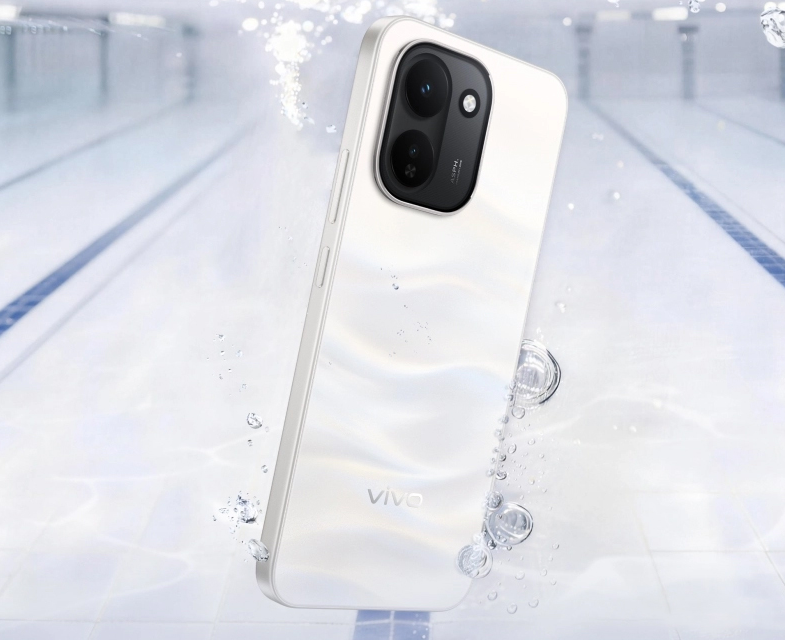
好钢用在刀刃上 618新手机看vivo Y600 Turbo
vivo Y600 Turbo十分注重实用性,将成本全都花在了感知度强的体验上。2099元的起价,也显得十分超值,堪称是618期间的实用型首选。
-
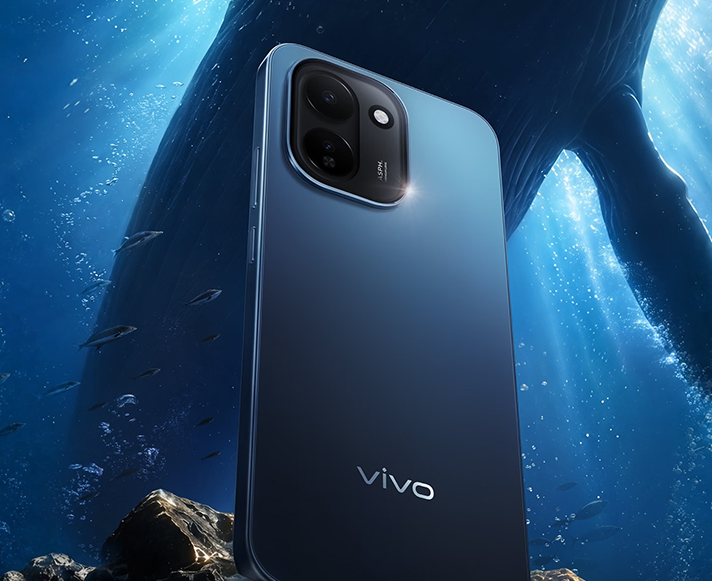
9000mAh耐用王 618实用型首选vivo Y600 Turbo
vivo推出Y系列全新实用型旗舰vivo Y600 Turbo,该机摒弃行业常见的全面堆料思路,将核心成本集中在续航、耐用性与日常流畅性三大用户感知最强的体验维度。
-
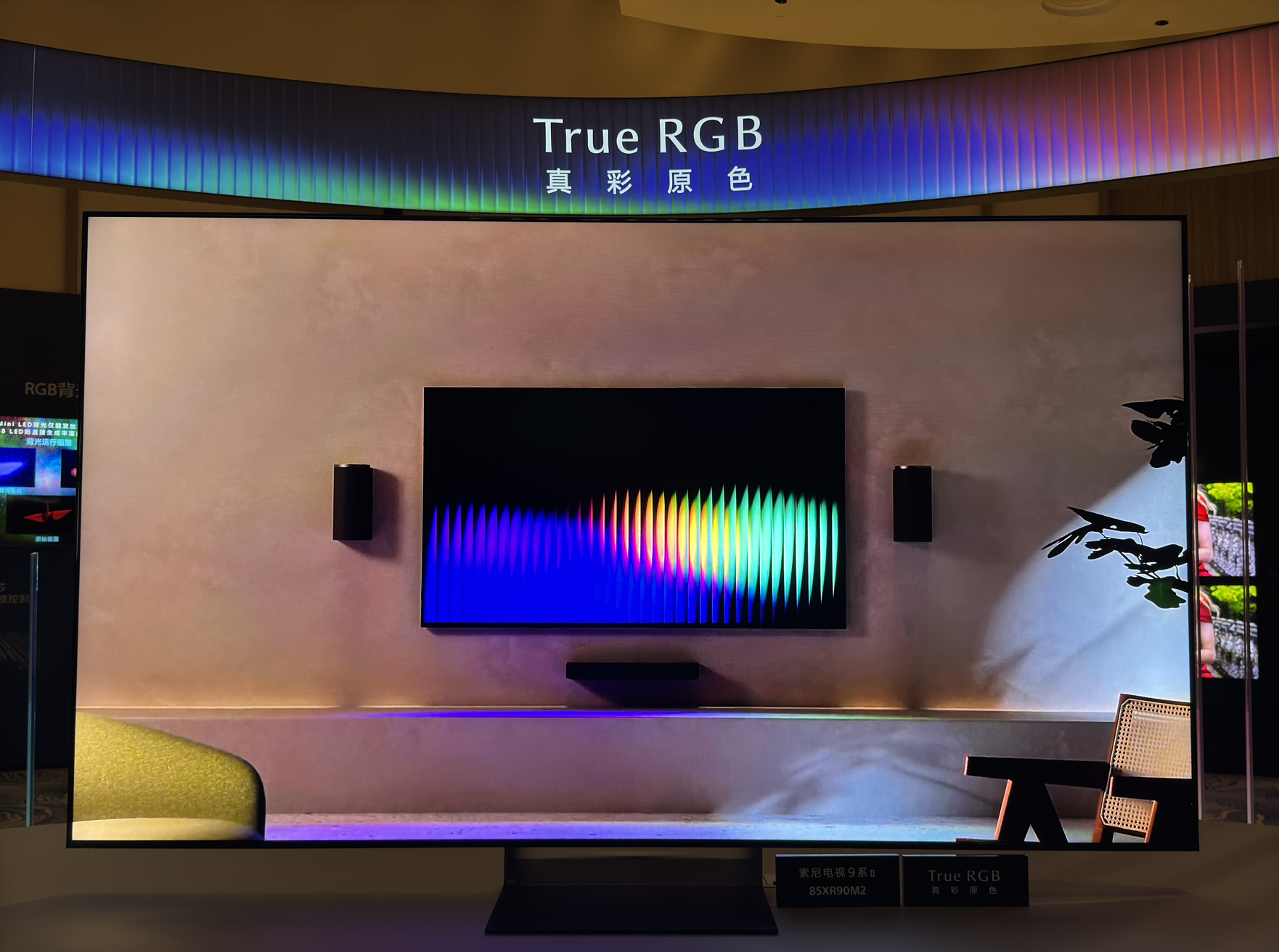
这才是旗舰该有的样子!索尼True RGB把专业监视器色彩搬回家
True RGB真彩原色技术的落地,不仅是索尼自身技术的迭代升级,更为家用大屏画质树立了全新的行业标准。它让普通用户在家中,也能轻松享受到导演在专业调色室中看到的原版影像质感。
-
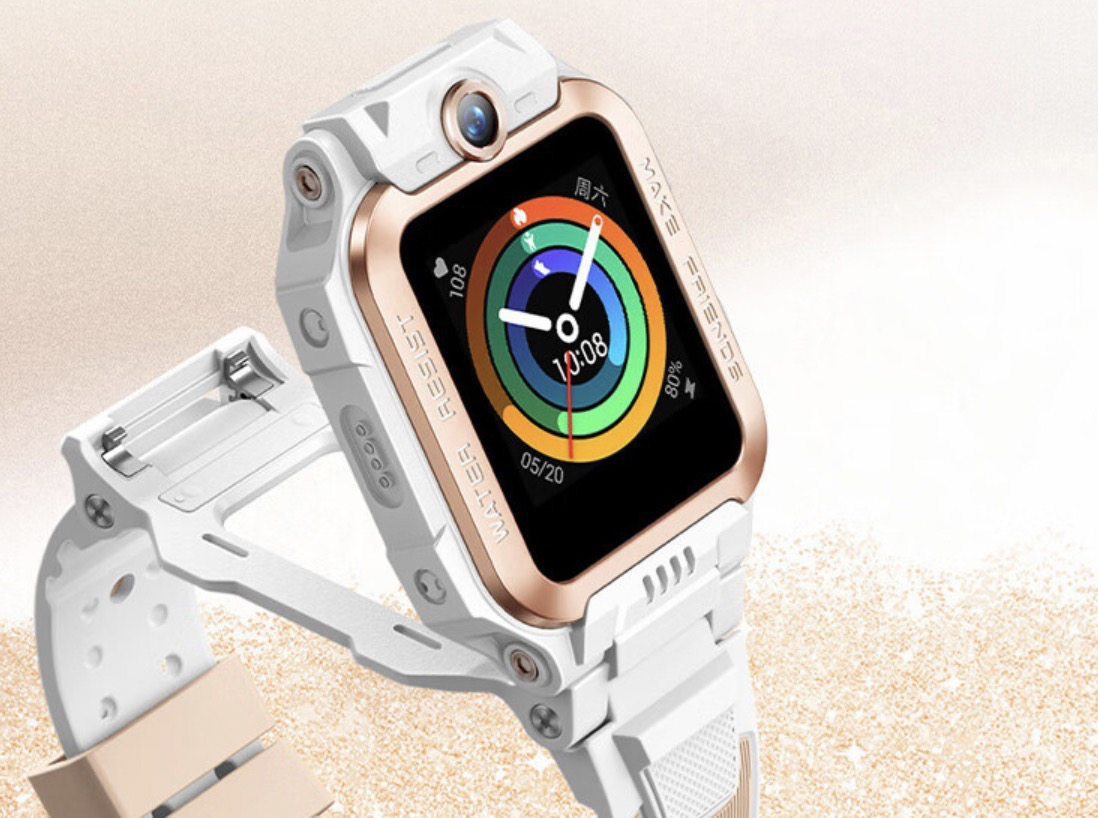
4月智能儿童手表线上零售量下降 小天才稳居行业领先地位
4月中国智能儿童手表线上市场(含天猫、京东、抖音等电商平台)零售量为61.4万台,同比下降9.5%,环比下降11.3%;零售额为3.0亿元,同比下降9.2%,环比下降9.8%。
-
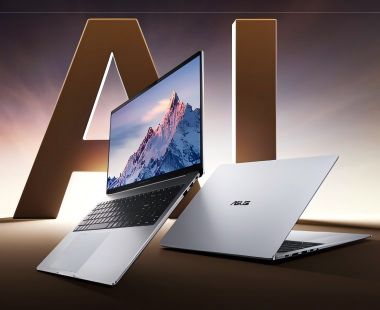
双尺寸全能商务AI本华硕破晓7 Pro开售,起售价7999元
PChome 6月6日消息,华硕破晓7 Pro商务AI笔记本已正式开售,并在今日登陆京东等主流电商平台。新机推出14英寸、16英寸两种版本,搭配不同配置共计四款机型,16英寸版本起售价7999元,定位高端商务办公市场。
-
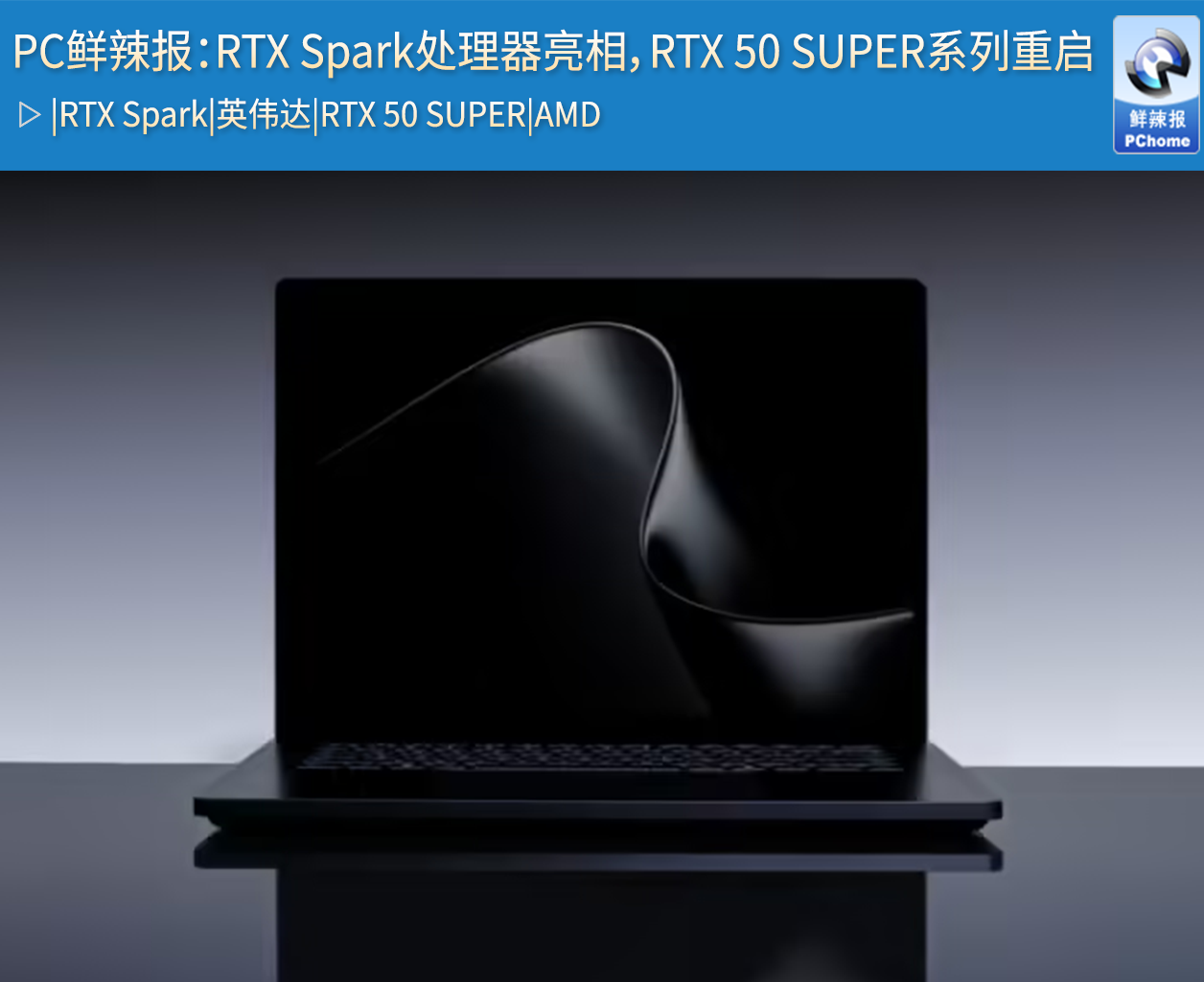
PC鲜辣报:RTX Spark处理器亮相,RTX 50 SUPER系列重启
PChome 6月8日消息,英伟达联合联发科推出全新RTX Spark ARM架构PC处理器;随后英伟达发布面向AI智能体的Vera架构高端CPU;TX 50 SUPER系列重启上市计划;Steam公布五月硬件使用报告,AMD处理器份额再创新高。
-
逻辑清晰堪称范文 卢伟冰晒小米AI创作高考作文
2026年高考正在进行之中,小米集团总裁卢伟冰就晒出了一篇由小米Mimo创作的北京卷高考作文。
-
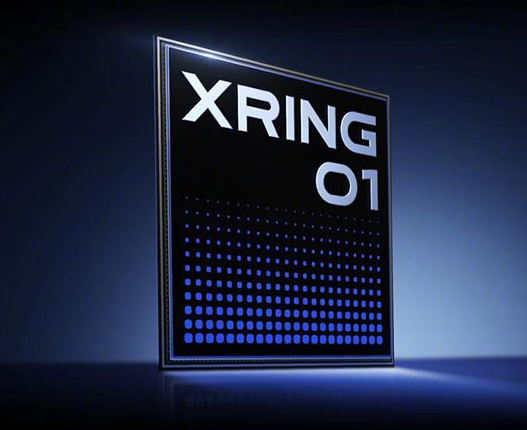
小米MIX Fold5爆猛料:玄戒O3芯片 2亿徕卡影像
有爆料者放出小米MIX Fold5的核心信息,这款产品将在设计、芯片和影像三大维度迎来重大升级,其中首次全系搭载自研玄戒O3芯片成为最大看点。
-
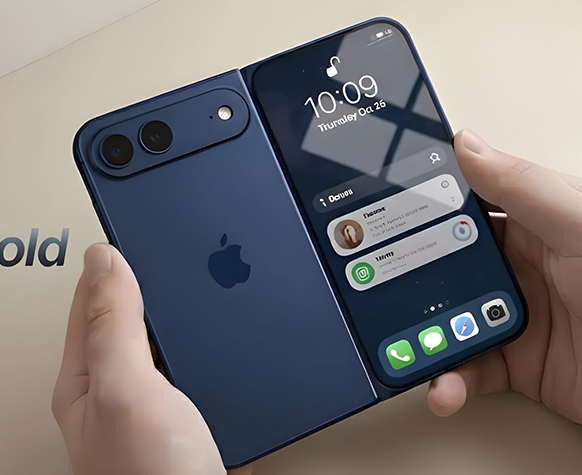
苹果iPhone Fold细节曝光:高强度液态金属铰链
爆料者Sonny Dickson公布了苹果首款折叠屏手机iPhone Fold的更多细节,这款宽屏阔折叠手机在设计、屏幕、核心配置及价格等方面的关键信息首次全面曝光。
最新快讯
热门文章
-
至尊狂战就是荣耀WIN游戏本 H9
-
英特尔Panther Lake揭秘
-
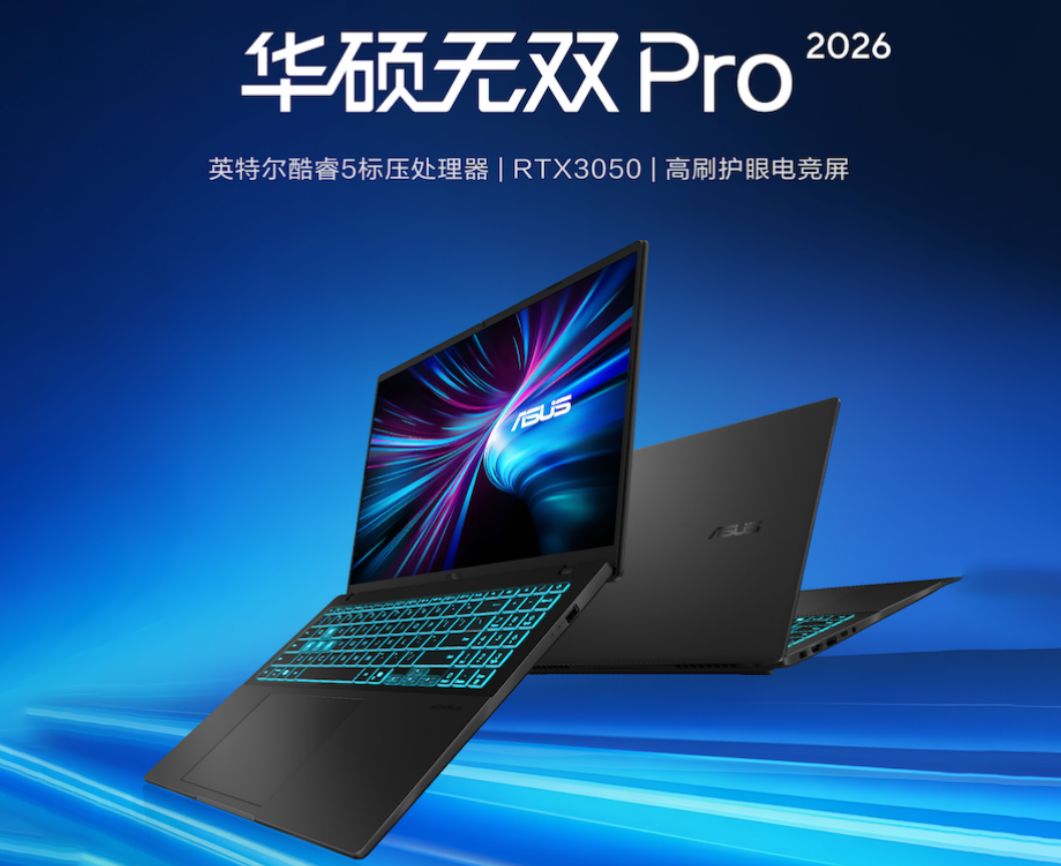
618换机优选华硕无双系列,大屏、便携、性能全都要
2026-06-12 -
618AI轻薄本优选,华硕无畏14SE 2026学习办公两宜
2026-06-09 -
重构计算逻辑:从骁龙X2 Elite到骁龙C,高通开拓AI PC新生态
2026-06-05 -
华为618夏日新机惠来袭,全场景好物一站式选购指南
2026-06-04 -
计算连续体:从毫瓦级到千瓦级算力,高通构筑全域智能新生态
2026-06-02 -
618购机必看!华硕四款AI轻薄本全覆盖 全人群精准入手指南
2026-05-29 -
真正的旗舰回归:Alienware外星人16 Area-51游戏本评测
2026-05-18




网友评论